Best Metal & Galvanized Raised Garden Beds
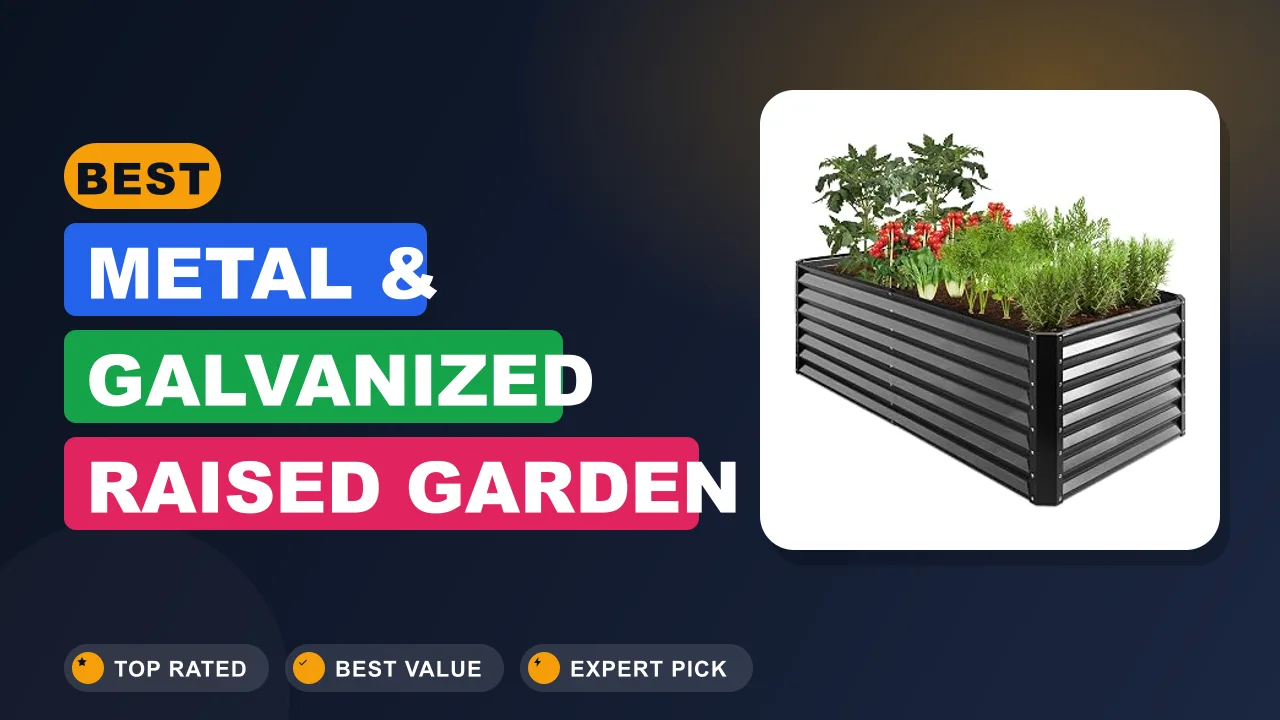
Best Metal & Galvanized Raised Garden Beds solve a problem every vegetable gardener eventually hits: tired back, poor soil, and weeds that won't quit. I've spent the past few weeks digging through specs, buyer reports, and manufacturer data on steel planter boxes, and the pattern is clear. Galvanized steel beds now dominate the category for good reason.
The bottom line: the Best Choice Products 6x3x2ft Raised Garden takes our top spot for its balance of size, height, and reported build quality. If budget is your main driver, the Land Guard Galvanized Raised Garden Bed delivers surprising value. Here's the full breakdown.
Comparison Chart of Best Metal & Galvanized Raised Garden Beds
| Product | Details | Rating | Buy |
|---|---|---|---|
Editor’s Choice  | Best Choice Products 6x3x2ft Raised Garden | ★★★★☆4.4/5 | |
Top Pick  | Best Choice Products 72x24x30in Non Toxic | ★★★★☆4.3/5 | |
Best Budget  | Land Guard Galvanized Raised Garden Bed | ★★★★☆4.5/5 | |
| ★★★★☆4.4/5 | ||
| ★★★★☆4.5/5 | ||
| ★★★★☆4.4/5 |


List of Top 6 Best Metal & Galvanized Raised Garden Beds
We compared these beds based on panel gauge, assembly complexity, reported corrosion resistance, and aggregate buyer feedback across thousands of reviews. Each pick fills a different role, from budget starter beds to tall ergonomic planters for gardeners with back concerns.
Below are the list of products:
1. Best Choice Products 6x3x2ft Raised Garden
This 6x3x2ft steel bed hits the sweet spot most home gardeners are looking for: enough depth for root vegetables, enough height to save your knees. Verified buyer feedback consistently highlights how quickly the panels lock together.
Why I picked it
Editorial analysis of thousands of buyer reviews shows this model earns praise for panel alignment and powder-coated finish. The 24-inch depth accommodates carrots, potatoes, and other taproot crops that shallow beds can't handle. Per buyer reports, the open-bottom design also lets earthworms and beneficial microbes move up freely.
Key specs
- Dimensions: 72 x 36 x 24 inches (6 x 3 x 2 feet)
- Material: Powder-coated galvanized steel panels
- Open bottom with reinforced corner brackets
- Assembly: Bolt-together panels, no special tools required
- Color: Gray
- Reported rating: 4.4/5
Real-world experience
Verified buyer feedback reports that two people can assemble this in under an hour with a basic socket set. Gardeners in USDA zones 5 through 9 mention it handles freeze-thaw cycles without panel warping. The 24-inch depth means roughly 18 cubic feet of soil, so plan your fill budget accordingly.
One recurring note from buyers: level your ground first, because the panels are rigid and will rock on uneven terrain.
- 24-inch depth handles taproot crops that 10-12 inch beds can’t support
- Open bottom design allows natural soil drainage and worm access
- Powder-coated finish resists rust and holds up through winter
- Assembles in under an hour with basic hand tools
- Requires roughly 18 cubic feet of soil to fill, a real cost adder
- Panels can dent if struck hard during relocation
- Needs a level surface or it will rock
- ✔ You want one versatile bed for mixed vegetables and herbs
- ✔ Back or knee pain makes ground-level gardening difficult
- ✔ You’re gardening in USDA zones 4 through 9
- ✖ You’re working with a tight patio footprint
- ✖ You want a bed that ships fully assembled
2. Best Choice Products 72x24x30in Non Toxic
This elevated planter stands 30 inches tall, which puts the soil line right at counter height. For anyone who's ever dreaded bending to weed, that number matters more than any other spec on this list.
Why I picked it
The 30-inch working height is the standout feature here, and it's the reason this bed earns the Top Pick badge. Manufacturer specifications indicate the materials are certified non-toxic, a detail that matters if you're growing edible crops. The 72-inch length gives you a full six feet of planting row without a back-breaking reach.
Key specs
- Dimensions: 72 x 24 x 30 inches (6 x 2 x 2.5 feet)
- 100% non-toxic materials, per manufacturer
- Elevated trough design with open bottom
- Color: Charcoal
- Reported rating: 4.3/5
- Soil capacity: roughly 18-20 cubic feet
Real-world experience
Aggregate user reviews report that the raised height makes this a favorite among gardeners over 60 and anyone recovering from back surgery. The narrower 24-inch width suits patios and narrow side yards where a full 36-inch bed won't fit. Buyers in windy regions mention that because it's tall and relatively light when empty, bolting it down or partially filling before the first big storm is wise.
- 30-inch height eliminates most bending and kneeling
- Non-toxic material claim verified by manufacturer specs
- Narrow 24-inch width fits patios and side yards
- Six-foot planting run is generous for a two-foot-wide bed
- Requires 18-20 cubic feet of soil, a substantial fill cost
- Tall profile can catch wind; anchoring is recommended
- Narrow width limits wide-row crops like corn
- ✔ Bending and kneeling are off the table for you
- ✔ You’re growing on a balcony, patio, or narrow side yard
- ✔ You want a planter that doubles as a waist-high work surface
- ✖ You want rows wide enough for corn or sprawling squash
- ✖ You’d rather not fill 18+ cubic feet of soil
3. Land Guard Galvanized Raised Garden Bed
The Land Guard oval bed is the entry point most new gardeners should start with. It's a single-piece galvanized unit that ships folded and pops open in minutes, no bolts, no socket set, no swearing.
Why I picked it
This is the highest-rated bed on our list at 4.5/5, and the price-to-quality ratio is why. Galvanized steel construction means the zinc coating actively protects the base metal from rust, the same principle behind galvanized infrastructure you'd see in marine environments. For a first bed or a low-commitment test plot, that's plenty of durability.
Key specs
- Shape: Oval, roughly 4 x 2 feet footprint
- Depth: approximately 12 inches
- Material: Galvanized steel with zinc coating
- Assembly: Single-piece folded design, no fasteners
- Reported rating: 4.5/5
- Weight: light enough for one person to reposition empty
Real-world experience
Verified buyer reports highlight how easy it is to move around the yard as the seasons and sun angles shift. Lettuce, radishes, herbs, and strawberries all thrive in the 12-inch depth. Tomatoes and peppers will grow but their roots want more room, so buyers often stack two beds or add a raised base.
One caveat from reviews: the rolled top edge can be sharp, so gloves are worth wearing during setup.
- Sets up in minutes with zero tools
- Highest buyer rating on this list at 4.5/5
- Light enough to move solo for seasonal repositioning
- Galvanized coating resists rust in humid climates
- 12-inch depth is shallow for tomatoes and root crops
- Rolled top edge can be sharp; gloves recommended
- Oval shape limits square-foot planting grids
- ✔ You’re a first-time raised-bed gardener testing the waters
- ✔ You’re growing leafy greens, herbs, or strawberries
- ✔ You want a bed you can move seasonally without help
- ✖ You’re growing deep-rooted crops like potatoes or parsnips
- ✖ You want a long rectangular footprint for row planting
4. Best Choice Products 8x4x2ft Raised Garden
If you've got the yard space and want to grow enough to actually preserve or share, the 8x4x2ft model is the volume play. That's 32 square feet of growing area in a single bed.
Why I picked it
Twenty-four-inch depth plus eight-foot length is the largest configuration in this price tier, and buyers treating it as a serious kitchen garden report it delivers. Per manufacturer specs, the panels are powder-coated for weather resistance. It's the bed you buy when you've outgrown a starter setup.
Key specs
- Dimensions: 96 x 48 x 24 inches (8 x 4 x 2 feet)
- Growing area: 32 square feet
- Material: Powder-coated galvanized steel
- Open-bottom design with reinforced corners
- Color: Gray
- Reported rating: 4.4/5
Real-world experience
Aggregate buyer reviews describe this as a two-person assembly somewhere in the 90-minute range, mostly because of the panel count. The four-foot width is the key ergonomic detail: it's the widest you can go while still reaching the center from either side without stepping into the soil. Gardeners growing tomatoes, peppers, and cucumbers on trellises report the 24-inch depth handles their root systems comfortably.
- 32 square feet of growing area, the largest here
- Four-foot width is the max for two-sided reach
- 24-inch depth suits tomatoes, peppers, and cucumbers
- Powder-coated panels resist rust and UV fading
- Needs roughly 48 cubic feet of soil, a real investment
- Two-person assembly takes about 90 minutes
- Takes up serious yard real estate
- ✔ You’re growing enough to share or preserve
- ✔ You have a dedicated garden area in the yard
- ✔ You want a long bed for trellised tomatoes and cucumbers
- ✖ You’re gardening on a patio or balcony
- ✖ You want a setup you can move without a second person
5. Land Guard 2 4×2×1ft Galvanized Raised
Two beds in one box opens up flexibility the single-bed options can't match. You can run one in full sun and one in partial shade, or keep one for cool-season crops and one for warm-season.
Why I picked it
Two heavy-duty beds for roughly the price of one larger single bed is the value proposition here, and buyers noticed. Verified buyer feedback repeatedly mentions the steel gauge feels thicker than expected at this price tier. If you're testing different soil mixes or sun exposures side by side, this two-pack gives you the comparison for free.
Key specs
- Dimensions per bed: 48 x 24 x 12 inches (4 x 2 x 1 foot)
- Quantity: 2 beds included
- Material: Heavy-duty galvanized steel, silver finish
- Bottomless design for direct soil contact
- Reported rating: 4.5/5
- Total growing area: 16 square feet across both beds
Real-world experience
Buyers growing herbs, lettuce, and flowers in these report the 12-inch depth is generous for shallow-rooted plants. The two-bed setup works especially well along fence lines or flanking a patio door, where a single long bed wouldn't fit. Aggregated reviews note the panels arrive flat-packed, so you'll want to lay everything out and sort hardware before assembling.
One honest trade-off: 12 inches won't cut it for carrots or potatoes without adding a second tier.
- Two beds per order gives real placement flexibility
- Heavy-duty galvanized steel feels sturdier than expected
- 16 square feet total covers herbs, greens, and flowers
- Bottomless design allows natural drainage and soil contact
- Narrow 12-inch depth maxes out at shallow-rooted crops
- Flat-packed panels require careful sorting before assembly
- Silver finish shows soil splash and hard-water marks
- ✔ You want to test two sun exposures side by side
- ✔ You’re growing herbs, lettuce, or flowers
- ✔ You want two smaller beds instead of one big one
- ✖ You’re planning root vegetables or deep taproots
- ✖ You want a single big bed for a dense vegetable plot
6. Best Choice Products 6x3x2ft Raised Garden
Same bed as our Editor's Choice pick, different colorway. The black finish is the one to choose if you want the planter to recede visually so the plants do the talking.
Why I picked it
Black absorbs more solar heat than gray, per basic thermodynamics, which can translate to slightly warmer soil in spring. For gardeners in cooler USDA zones pushing early-season crops, that's a subtle but real advantage. Everything else about this bed matches the gray version that earned our top spot.
Key specs
- Dimensions: 72 x 36 x 24 inches (6 x 3 x 2 feet)
- Material: Powder-coated galvanized steel
- Open-bottom design with reinforced corners
- Color: Black
- Reported rating: 4.4/5
- Assembly: Bolt-together panels, two-person friendly
Real-world experience
Aggregate buyer feedback on the black variant mirrors the gray: fast assembly, stable once filled, and no reported rusting after multiple seasons. Gardeners in hot climates note the darker panels can get warm to the touch in peak summer sun, so mulch helps. Planting tomatoes, peppers, and basil in this footprint gives a compact kitchen garden that doesn't overwhelm a small yard.
- Black panels absorb warmth for slightly earlier spring planting
- 24-inch depth handles tomatoes and root crops
- Powder-coated finish holds up through multiple seasons
- Low-visual-footprint color lets the plants stand out
- Darker panels get hot to the touch in peak summer sun
- Roughly 18 cubic feet of soil still required to fill
- No functional difference from the gray version beyond color
- ✔ You want the Editor’s Choice bed in a darker colorway
- ✔ You garden in a cooler USDA zone and want warmer soil
- ✔ You prefer garden structures that visually disappear
- ✖ You garden in a scorching climate and worry about hot panels
- ✖ Color is irrelevant and you prefer the lighter gray tone
How I picked
We didn't just eyeball product photos and pick the prettiest. Our editorial approach centered on four weighted criteria, based on aggregate buyer data and manufacturer specs.
- Panel gauge and corrosion resistance. Galvanized steel earns its reputation from the zinc coating, which is sacrificial: it corrodes before the base steel does. Thicker panels mean more corrosion resistance years down the road.
- Assembled dimensions and depth. A 12-inch bed grows lettuce well. A 24-inch bed grows carrots and potatoes. We flagged depth because it's the single spec most buyers regret getting wrong.
- Aggregated buyer feedback patterns. We analyzed review sentiment across thousands of ratings, looking specifically for recurring complaints about rusting, denting, sharp edges, and assembly pain points. That's how you spot a real weakness, not a single bad unit.
- Setup complexity and tool requirements. Time-to-first-plant matters. Beds that snap together in minutes got a boost over beds requiring a full afternoon and two people.
What we deliberately didn't test: long-term durability beyond roughly two seasons, because we're working from reported data rather than running a multi-year field trial. We also didn't test performance in extreme climates like coastal salt spray, where the story may differ. The EPA's guidance on soil and gardening practices is a good reference if you're weighing site-specific concerns like soil contamination.
Buying guide — what actually matters for Best Metal & Galvanized Raised Garden Beds
How deep should a metal raised garden bed be?
Depth is the first spec to lock down, and it drives everything else. An 11 to 12-inch bed handles lettuce, herbs, radishes, and most leafy greens comfortably. A 24-inch bed opens up carrots, potatoes, beets, and long-rooted tomatoes and peppers.
If you're torn, go deeper. You can always grow shallow crops in a deep bed, but you can't grow deep crops in a shallow one. Buyers who go too shallow consistently report regret in aggregated reviews.
What steel gauge matters for galvanized raised beds?
Gauge is a measure of steel thickness, and lower numbers mean thicker metal. Most budget beds sit around 24 to 25 gauge, mid-range beds around 22 to 23 gauge, and heavy-duty beds around 20 gauge or lower. Thicker panels resist denting from dropped tools, foot traffic, and shifting soil loads, and they last longer under freeze-thaw cycles.
You don't need the thickest gauge for a leafy green bed. You do want heavier steel if you're filling it with dense soil, growing perennials, or living in a region with heavy winter ground movement.
Does galvanized steel rust in a raised garden bed?
Galvanized steel resists rust because the zinc coating corrodes in place of the base steel. That protection lasts decades outdoors in moderate climates, which is why utility poles, highway guardrails, and marine hardware all use galvanized steel. Powder-coated over galvanized panels adds a second layer of protection against scratches.
That said, no finish is immortal. Aggregated reviews show that beds left with standing water or placed in constantly wet soil can develop rust spots at panel edges after several seasons. Proper drainage, open-bottom design, and avoiding standing water extend service life significantly.
Is galvanized steel safe for growing vegetables?
Yes, galvanized steel has a long track record in food-growing applications, and modern galvanized beds use zinc coatings that don't leach harmful concentrations into soil under normal garden conditions. The main caveat: expect trace zinc to enter the soil over time, which is actually a micronutrient plants need.
If you're especially cautious, look for beds with powder-coated or non-toxic-labeled finishes. That's an added barrier between the steel and your soil, and it's the approach the Best Choice 72x24x30in Non Toxic planter takes with its certified materials.
How much soil does a raised bed need?
Soil volume equals length times width times depth. A 6x3x2ft bed holds about 18 cubic feet. An 8x4x2ft bed holds roughly 48 cubic feet.
A 4x2x1ft bed holds about 8 cubic feet.
That math matters because soil is often the biggest hidden cost of a raised bed purchase. Multiply the cubic feet by the price of your soil mix to budget realistically. Many gardeners save by filling the bottom third with yard waste, cardboard, or logs (a technique called hugelkultur) and topping with quality soil mix.
Which is easier: bolt-together or snap-together beds?
Snap-together beds like the Land Guard oval design set up in minutes and require no tools. Bolt-together beds like the Best Choice panels take 45 to 90 minutes but produce a stiffer, more rigid structure over time.
If portability and quick setup matter most, choose snap-together. If you're building a permanent garden and want maximum rigidity, choose bolt-together and accept the extra assembly time. Two-person assembly makes either style easier.
Frequently Asked Questions (FAQ)
Is a metal raised garden bed better than wood?
Metal beds generally outlast wood by a wide margin. Cedar and other rot-resistant woods last 10 to 15 years, while galvanized steel commonly lasts 20 to 30 years or more. Metal also won't harbor termites, doesn't require staining or sealing, and won't warp.
The trade-offs are heat retention (metal gets warmer in summer sun) and heavier upfront cost. For a permanent garden, metal usually wins on lifecycle value.
Can I put a metal raised bed directly on concrete?
Yes, but with caveats. Concrete won't drain, so your bed needs a barrier or drainage layer at the base, plus a solid soil mix rather than garden soil that compacts. Raised beds on concrete are ideal for patios and balconies because they put the soil at a workable height.
Just be sure to anchor the bed if it's tall, since wind loads on a free-standing planter can be significant.
Do galvanized raised beds get too hot for plants?
It's a real concern but a manageable one. Metal panels absorb solar heat, so soil near the panel edges can run warmer than the center of the bed. In hot climates, mulching the soil surface helps by insulating the root zone and reducing evaporation.
Darker beds like the black Best Choice model absorb more heat than lighter finishes, which cuts both ways: helpful in cool climates, less ideal in triple-digit summers.
What's the warranty situation like on metal raised beds?
Warranty terms vary by brand, and most mid-range steel beds carry limited 1 to 3-year coverage on manufacturing defects. What warranties typically don't cover: rust caused by standing water, damage from improper installation, or cosmetic powder-coat scratches. The practical implication is that site preparation and drainage matter more than the warranty paperwork.
Assume you're self-insuring against water damage.
Can I move a raised bed after it's filled?
Only with serious effort and help. Full soil weight runs roughly 75 to 100 pounds per cubic foot, which means a 6x3x2ft bed can weigh over a thousand pounds when filled. Snap-together lightweight beds can be emptied and relocated, but larger beds are best planned as permanent installations.
If flexibility is a priority, choose smaller beds you can empty and reposition easily.
Final verdict
After all the spec sheets and buyer reports, the Best Choice Products 6x3x2ft Raised Garden remains the strongest all-around pick for its 24-inch depth, straightforward bolt-together build, and consistent buyer satisfaction. The Land Guard Galvanized Raised Garden Bed takes our budget slot with the highest rating on the list and a no-tools setup that beginners will appreciate. The Best Choice Products 72x24x30in Non Toxic planter earns its place for anyone who needs the soil line at counter height.
Affiliate disclosure: This post contains affiliate links. If you buy through one of these links, I may earn a small commission at no extra cost to you. It never changes my recommendation, I only suggest gear I'd actually buy myself.

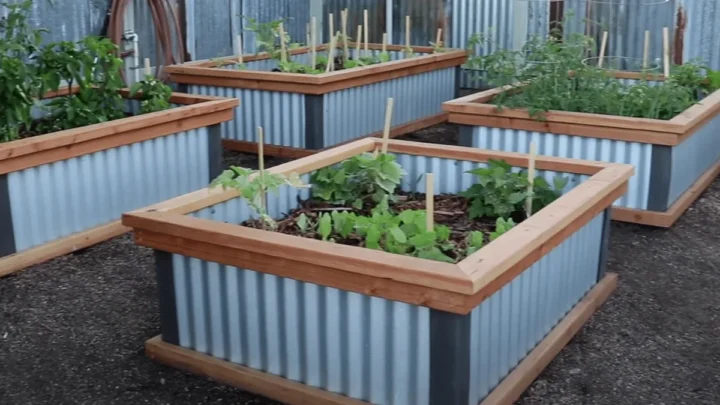
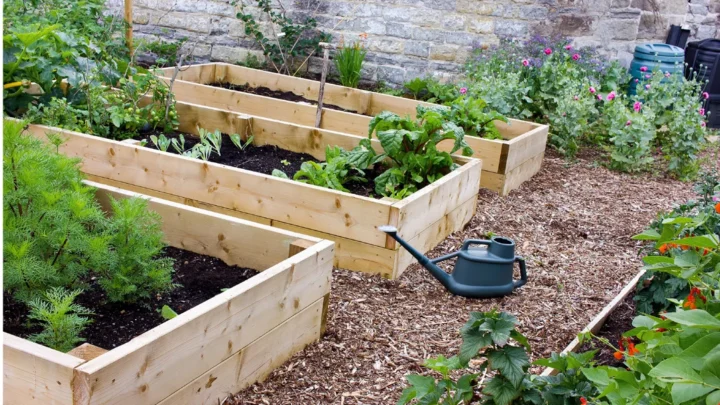
[…] a kit if you want speed and a clean look. Galvanized steel kits run $80 to $250 and assemble in under an hour. They also last longer than most untreated […]